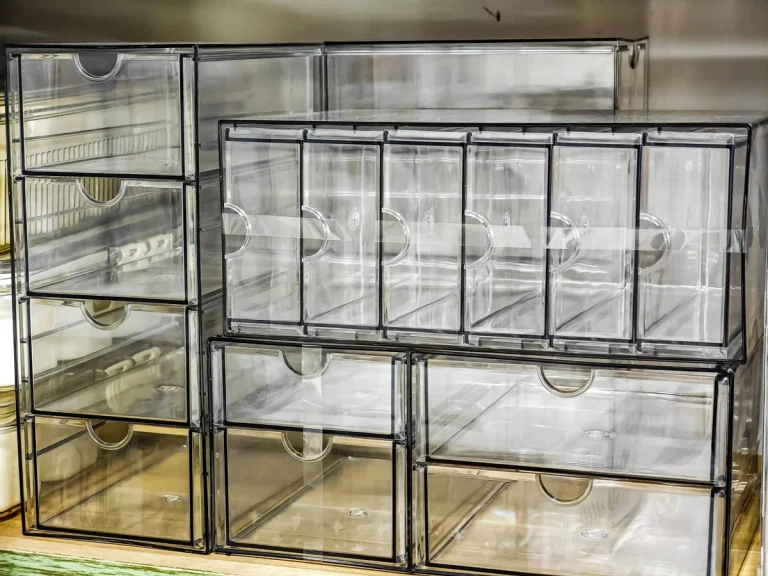
PP vs PET vs PVC: Choosing the Right Material for Display Boxes
📖 Reading time: about 6 minutes
Table of contents
The three plastics you’re choosing between
Head-to-head comparison
Heat resistance
Optical clarity
Food-safety certifications
A note on “acrylic” display boxes
Why we specify food-grade high-clarity PET
How to verify what you’re actually getting
Frequently Asked Questions
The Three Plastics You’re Choosing Between
When you order display or storage boxes, the material decision comes down to three common plastics: PP, PET, and PVC. They look similar at a glance, but they behave very differently under heat, light, impact, and food-contact conditions — and choosing the wrong one is the most expensive mistake you can make on a custom order, because it usually shows up months after delivery: yellowing panels, warped seams, or a customs hold over missing food-safety documentation.
PP, PET, and PVC are the three most widely used general-purpose plastics in the world. Each has a distinct profile:
- PP (polypropylene) — tough, heat-tolerant, but naturally semi-translucent
- PET (polyethylene terephthalate) — highly transparent, food-safe, impact-resistant
- PVC (polyvinyl chloride) — cheap and rigid, but carries food-contact restrictions in the EU
This guide walks through what each material actually does, with the certifications and engineering numbers professional buyers ask for. If you only have 60 seconds, skip to the comparison table.
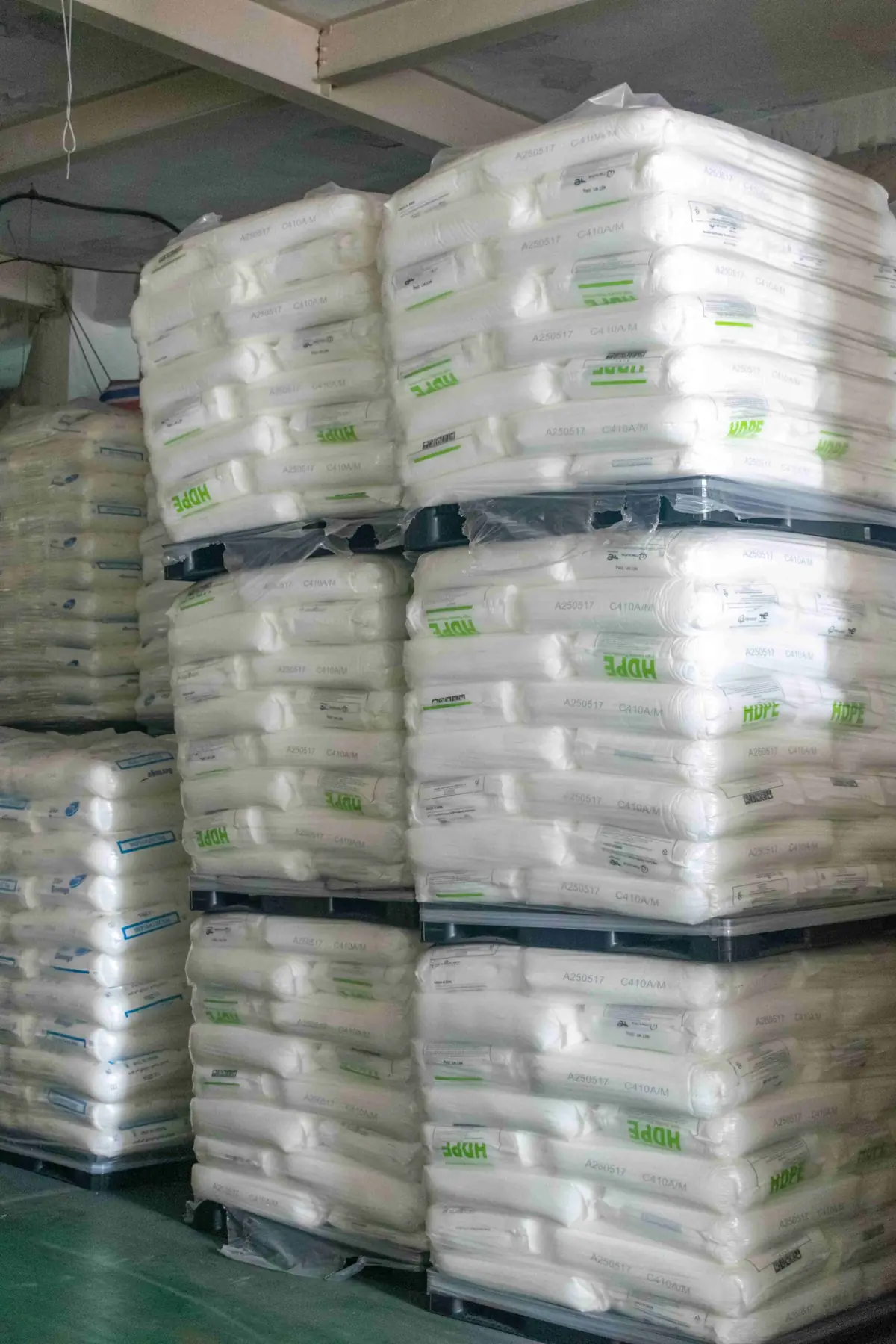
Head-to-Head Comparison
| Property | PP Polypropylene | PET Polyethylene Terephthalate | PVC Polyvinyl Chloride |
|---|---|---|---|
| Heat resistance | Up to ~120°C continuous | Up to ~70°C continuous | Up to ~60°C continuous |
| Light transmission | Opaque to translucent | 89–92% (high-clarity) | 75–85% (blue tint) |
| Impact strength | Good | High (tough, won’t shatter) | Moderate, becomes brittle in cold |
| Food-safety status | FDA, EFSA approved | FDA, EFSA, EU 10/2011 — industry standard for food contact | Restricted in EU for food contact (phthalate migration risk) |
| Recyclability | #5 | #1 (most widely recycled) | #3 (rarely accepted curbside) |
| Typical uses | Microwave containers, bottle caps, yogurt tubs | Beverage bottles, food clamshells, display boxes | Pipes, cable sheathing, signage |
Heat Resistance
Heat tolerance is the single biggest differentiator between the three — and the spec most often omitted from cheap supplier quotes.
- PP — Safe for sustained microwave use. Holds shape up to ~120°C, which is why it’s the default for reusable food containers and bottle caps.
- PET — Begins to soften around 70°C. Fine for warm food, display cases near windows, and any normal indoor application. Not for hot-fill production.
- PVC — Starts deforming at ~60°C. PVC in any application that sees heat (kitchen counters, sunlit windowsills, shipping containers in summer) will warp and discolor.
Practical rule: if your packaging or display will ever see temperatures above 60°C, rule out PVC. If it only needs to survive normal indoor and shipping conditions, both PP and PET are safe.
Optical Clarity
Clarity ranks, from highest to lowest: high-clarity PET > standard PET > translucent PP > PVC.
- High-clarity PET (often labeled PETG in display applications) reaches ~89–92% light transmission — visually clear enough that a polished PET panel shows a figure or product with no visible haze under normal viewing.
- Standard PET drops to ~85% — still clear, but slight haze appears in direct lighting.
- PP is naturally semi-translucent, not transparent. It’s excellent for containers where you don’t need to see the contents clearly, but wrong for display boxes.
- PVC at 75–85% typically carries a faint blue or yellow tint that becomes obvious on white backgrounds.
For shelf display, high-clarity PET is the clear winner — it’s the only one of the three that combines transparency with impact resistance.
Food-Safety Certifications
Three standards you should expect to see quoted on any food-contact display box:
| Standard | Region | Scope |
|---|---|---|
| FDA 21 CFR | United States | Food-contact clearance for specific polymers and additives |
| LFGB | Germany / EU | Often stricter than FDA on migration limits; required if your buyer ships to Germany |
| EU 10/2011 | European Union | Specific to plastic food-contact materials; regulates per-substance migration limits |
PET and PP typically meet all three. PVC is restricted under EU food-contact regulations because it contains phthalate plasticizers that can migrate into fatty or hot food — this is why you won’t see serious PVC food containers in EU supermarkets.
Always ask your supplier for the certificate number and issuing lab. Marketing claims of “food grade” without a test report are worthless at customs.
A Note on “Acrylic” Display Boxes
You’ll often see display boxes marketed as “acrylic” — including ours. Strictly speaking, “acrylic” refers to PMMA (polymethyl methacrylate), a different polymer from PET. But in everyday sourcing language, “acrylic display box” has become a generic term for any clear plastic display box, regardless of the actual material.
The material you actually get matters more than the name on the listing. Confirm the trade name on the supplier’s datasheet before assuming — see how to verify below.
Why We Specify Food-Grade High-Clarity PET
Shineclouds uses food-grade, high-clarity PET as the default for our display and storage boxes. The choice is engineering-led, not a cost compromise:
- Clarity. At 89–92% light transmission, polished PET shows figures and products with no visible haze — the transparency display applications actually need.
- Impact resistance. PET is tough and doesn’t shatter. Boxes ship internationally and pass through multiple handlers; PET survives the drops that would crack other panels.
- Globally recognized food safety. PET is what Coca-Cola, Nestlé, and most global food brands use. FDA, LFGB, and EU 10/2011 compliance is straightforward, with a documented supply chain.
- #1 recyclability. Buyers and end consumers increasingly audit end-of-life streams; PET is the most widely recycled plastic in the world.
If your application needs microwave or hot-fill tolerance, PP is the better choice. If it needs to be cheap and rigid and never touches food, PVC can work. For everything in between — display clarity, food contact, drop resistance, global compliance — food-grade high-clarity PET is the practical default.
How to Verify What You’re Actually Getting
A few practical checks before you place a custom order:
- Ask for the material datasheet by trade name (PP, PET, PETG, PVC) — vague terms like “clear plastic” are a red flag.
- Request a recent migration test report (not older than 12 months) for food-contact applications.
- Check edge quality and color — polished, glass-clear edges indicate quality PET; milky or blue-tinted edges suggest lower-grade blends.
- Burn test (small offcut only): PET melts clear and drips, PVC produces black smoke and a chlorine smell, PP smells like candle wax and floats. Never burn-test finished products.
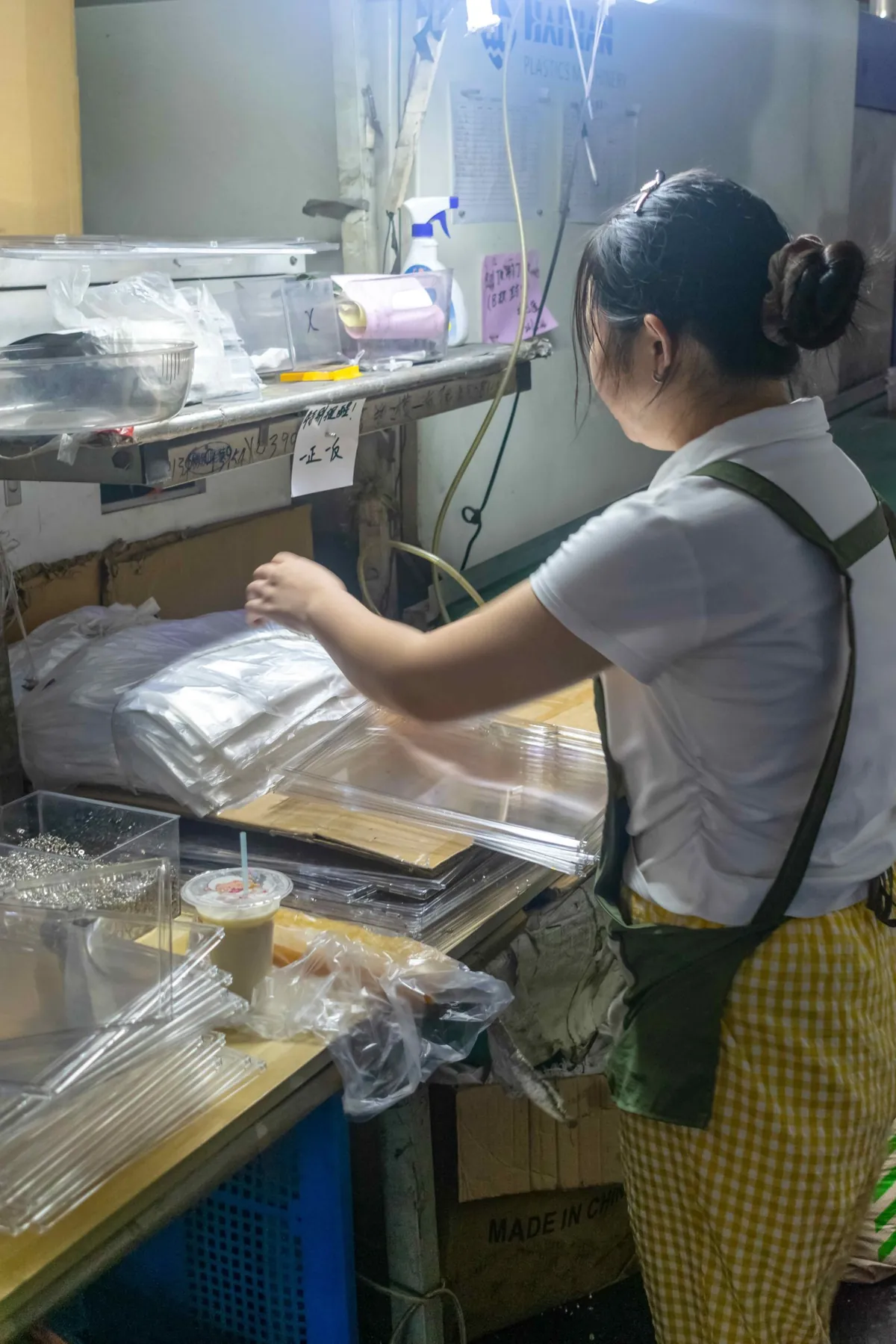
For how these materials translate into finished product specs, see our collector’s guide to choosing an acrylic figure display box.
Frequently Asked Questions
Is “acrylic display box” always PMMA?
No. In sourcing language, “acrylic” often refers to any clear plastic display box. The actual material may be PET, PETG, or another polymer. Always confirm the trade name on the datasheet.
Why not just use PVC for everything? It’s cheaper.
PVC is cheaper per kilogram, but it’s restricted for food contact in the EU, warps at lower temperatures, and carries a blue tint. For display or food applications, the material risk usually outweighs the cost saving.
Can PET panels be recycled?
Yes — PET is the world’s most widely recycled plastic (resin code #1). Most curbside programs accept it.
Does PET yellow over time?
Standard PET can yellow slowly with UV exposure over years; UV-stabilized PET holds clarity for 10+ years of normal indoor use.